
V3? Why Stress and Anxiety Are Rising — and How to Cope Naturally
There was a morning last year when I sat at my kitchen table, tea going cold, and realised my chest had been tight since I woke up. Not because anything terrible had happened — just the weight of everything, stacked up quietly overnight. If that feeling is familiar to you, I want you to know something: you're not broken, and you're not alone. Stress and anxiety have become increasingly prevalent, impacting our mental wellbeing and physical health in ways that can feel invisible until they're not. This guide explores why these pressures are on the rise and offers natural, effective ways to help you feel calm, centred, and empowered to manage your mental health.
Download NirvanaPrana's 'Calm Mind Starter Kit' today and take your first step towards a calmer, more balanced life.
Guided meditations to help reduce stress
Breathwork practices to calm anxiety or panic
A simple journaling template to help you find clarity
Send Me the Calm Mind Starter Kit
Free download. No spam. Unsubscribe anytime.
Understanding the Rise of Stress and Anxiety
Persistent worry and tension are common human experiences — most of us know exactly what they feel like in the body. But their increasing prevalence in modern life is more than just a talking point. It's real, and it's worth paying attention to. While some stress ("good stress") can be motivating, chronic emotional strain can significantly impair our quality of life and contribute to various health conditions. Understanding the factors driving this rise is the first step in learning to cope with these challenges — not by pushing through, but by responding differently.
Current Statistics on Stress and Anxiety
The National Institute of Mental Health reports that millions of adults experience an anxiety disorder each year. Those numbers represent real people — women sitting in cars before school drop-off trying to breathe, colleagues smiling through meetings while their stomachs churn. Many more experience sub-clinical levels of nervous tension that, while not meeting the criteria for a formal diagnosis, still negatively impact their daily lives and may help to talk to someone about it. These statistics highlight the urgent need for accessible stress management and mental health resources.
Common Symptoms of Anxiety
Here's the thing about anxiety — it doesn't always look the way you'd expect. It can show up through a range of symptoms, impacting both your emotions and your physical health. You might experience a number of emotional difficulties, such as:
Excessive worry, fear, and panic
Irritability
Difficulty concentrating
Beyond these emotional experiences, anxiety can also trigger physical symptoms, like increased heart rate, rapid breathing, and muscle tension — all part of the body's stress response. Sometimes it's that jaw you didn't realise you were clenching, or the shallow breathing you only notice when someone tells you to take a deep breath. Recognising these anxiety symptoms is the first step in seeking help and finding effective strategies to reduce anxiety.
Causes of Anxiety in Modern Life
Here's a look at what contributes to the increase of feelings of emotional overwhelm in modern life. These causes of anxiety often layer on top of each other — quietly, persistently — until it all feels like too much:
Constant connectivity through technology
Financial pressures and job insecurity
Social isolation
Overwhelming news cycles - I personally experience this one a lot!
Addressing these underlying factors matters deeply for helping people with anxiety find their way back to themselves.
Natural Coping Strategies to Manage Stress
When daily pressures become overwhelming, turning to natural coping strategies can provide real, tangible relief. Not the "just think positive" kind — the kind you actually feel in your body. These techniques offer practical ways to reduce stress and alleviate tension without relying on medication. Integrating these ways to manage anxiety into your daily routine can significantly improve your overall well-being, inner balance and physical health.
[ADD OPT IN HERE?]
Mindfulness Practices for Everyday Life
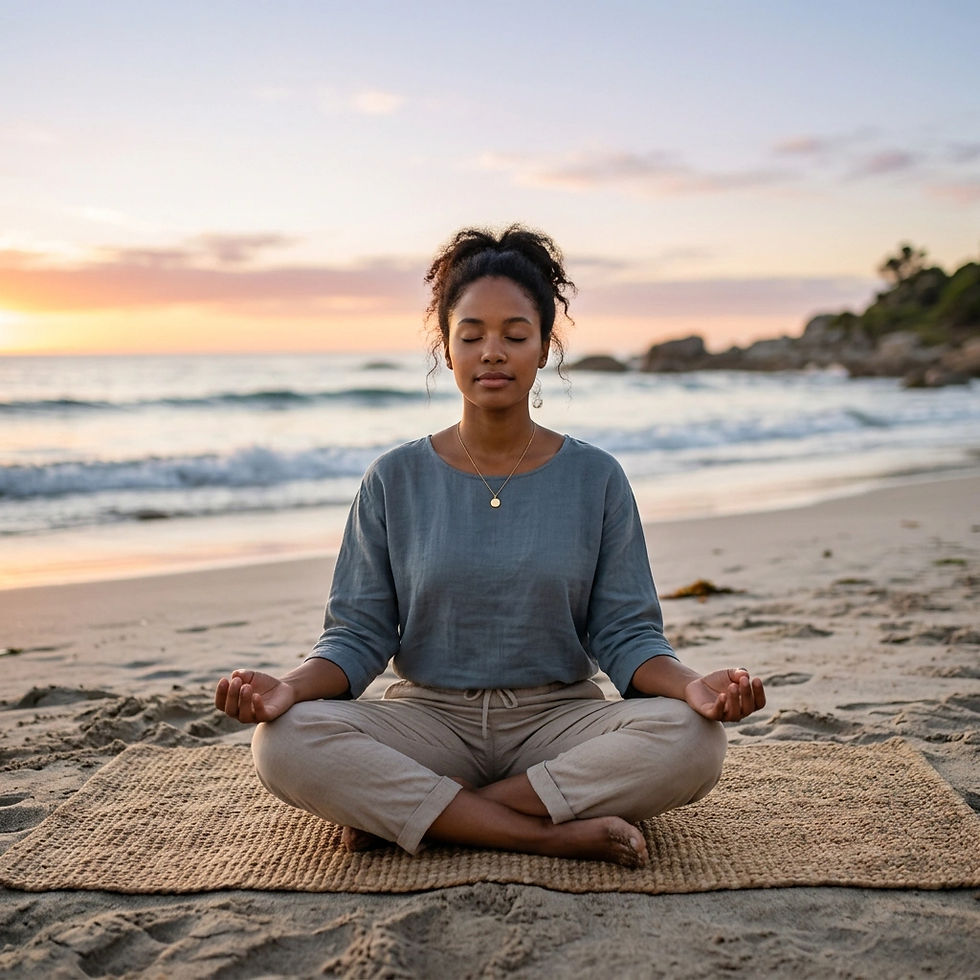
Mindfulness involves focusing on the present moment without judgment — letting your thoughts and feelings be there without needing to fix them or push them away. Simple mindfulness exercises, like paying attention to your breath or noticing the sensations in your body — the warmth of your hands around a mug, the feel of your feet on the floor — can help you reduce anxiety. Regular practice creates a quiet kind of calm, one that helps you deal with stress more effectively. This relaxation helps ground you when you feel anxious. And honestly, it doesn't require a meditation cushion or an hour of silence. Two minutes counts.
Deep Breathing Techniques
Controlled breathwork is a powerful tool for calming the nervous system — and one I come back to again and again. When you feel stressed or experience anxiety or panic, your breathing often becomes shallow and rapid without you even realising it. Practising deep breathing techniques, such as diaphragmatic breathing, can help slow your heart rate, lower blood pressure, and promote a sense of relaxation. Breathing exercises are a quick and accessible way to ease tension and restore calm anytime, anywhere. This can help you feel more in control during a panic attack — not by fighting what's happening, but by giving your body a signal that you're safe.
Physical Activity and Its Benefits
Regular physical activity is a natural and effective way to release the tension that stress stores in the body. Exercise helps release endorphins, which have mood-boosting effects and can help reduce symptoms of anxiety and depression. Whether it's a brisk walk with no destination, a yoga session where you finally let your shoulders drop, or something more intense — finding movement you actually enjoy can significantly lower stress levels and improve your overall sense of wellness. Regular exercise also helps regulate stress hormones, which brings a deeper sense of balance over time.
Maintaining a Healthy Diet
What you eat affects your mood more than most of us give it credit for. A balanced diet rich in fruits, vegetables, whole grains, and lean protein provides the nutrients your brain needs to function well and regulate mood. Avoiding processed foods, sugary drinks, and excessive caffeine can help stabilise blood sugar levels and prevent those energy crashes that make anxiety worse. Nourishing your body with wholesome foods — not perfectly, just consistently — can help you feel more grounded and resilient in the face of stress. A healthy diet isn't about restriction. It's about giving yourself something steady to stand on.
The Importance of Getting Enough Sleep
I used to think I could function on five hours and sheer willpower. I was wrong. Sufficient sleep is one of the most underrated tools for managing stress and anxiety. When you're sleep-deprived, your body produces more stress hormones, making you more susceptible to feeling anxious and emotionally drained. Aim for 7-9 hours of quality sleep each night to allow your body and mind to rest and recharge. Establish a relaxing bedtime routine to improve your sleep hygiene and promote restful sleep. Getting enough sleep can significantly enhance your ability to deal with stress effectively — everything feels more manageable after a proper night's rest.
Journaling for Mental Clarity
Journaling is one of those practices that sounds simple but can shift something deep. Writing down your thoughts and feelings helps you identify patterns, gain perspective, and release pent-up emotions you didn't even know you were carrying. Regular journaling can also help you find gratitude, track your progress, and build self-awareness. Whether you write daily or a few times a week, journaling can be a valuable practice for easing emotional overwhelm and building emotional resilience.
I created a simple journaling template to help you find clarity and reduce stress starting tonight.
Send Me the Calm Mind Starter Kit
Free download. No spam. Unsubscribe anytime.
Setting Boundaries to Reduce Overwhelm
Setting boundaries is essential for protecting your time, energy, and emotional wellbeing — and it's also one of the hardest things to learn. Saying no to requests that overextend you can prevent burnout and help you feel more in control. Clearly communicating your limits to others can reduce conflict and improve your relationships — even when it feels uncomfortable in the moment. Establishing healthy boundaries allows you to prioritise self-care and create a more balanced and fulfilling life, which in turn helps reduce stress. You don't have to earn the right to protect your energy.
When to Seek Professional Help
Recognising the Signs of Anxiety Disorder
While natural coping strategies can be incredibly effective for alleviating persistent worry and nervous tension, there are times when you need more than what you can do on your own. And that's not a failure — it's wisdom. Recognising the signs of an anxiety disorder is important for knowing when to seek help. If anxiety significantly impacts your daily life, relationships, or ability to function, it's time to consult a mental health professional. Persistent worry, fear and panic, and physical symptoms that don't improve with self-care strategies are all signs worth paying attention to.
Understanding Panic Attacks
Panic attacks can be a frightening experience — if you've been through one, you know the word "frightening" doesn't quite cover it. They're characterised by sudden and intense surges of anxiety or panic. Symptoms can include a racing heart, shortness of breath, dizziness, trembling, and a fear of losing control or dying. While occasional panic attacks don't necessarily indicate an anxiety disorder, frequent or severe panic attacks warrant professional evaluation. A mental health professional can help you understand the underlying causes of your panic attacks and develop strategies to help reduce their frequency and intensity. Slow, controlled breathing and other relaxation techniques can also help during a panic attack — not to make it disappear, but to remind your body that it will pass.
Finding Help for Anxiety
If you're struggling with anxiety, there are more resources available than you might think. Start by talking to your primary care physician, who can assess your symptoms and refer you to a mental health professional if needed. Options for treatment include talk therapy, such as cognitive-behavioural therapy (CBT), which can help you identify and change negative thought patterns. Online resources, like the Mayo Clinic and NHS websites, offer valuable health information and practical tips for reducing stress. Consider joining support groups or seeking peer support to connect with other people who understand what you're going through. Talking to someone — whether a friend or family member or a professional — can make more difference than you'd expect. Your GP can point you in the right direction, and organisations like the Samaritans are there when you need someone to listen. Remember, getting enough support is essential for anxiety management.
Download the Free Calm Mind Starter Kit
Now that you understand the causes of rising tension and worry and have some natural coping strategies to work with, the next step is bringing them into your actual life — not perfectly, just gently. I created a free Calm Mind Starter Kit that gives you guided meditations, calming breathwork routines, and a simple journaling template, so you can reduce stress starting tonight.
Guided meditations to help reduce stress
Breathing exercises to calm anxiety or panic
A simple journaling template to help you find clarity
Send Me the Calm Mind Starter Kit
Free download. No spam. Unsubscribe anytime.
Building Your Personal Wellness Toolkit
Creating a personal wellness toolkit is really about paying attention to what works for you — not what works for the woman on Instagram with the perfect morning routine. Experiment with different mindfulness practices, deep breathing techniques, forms of physical activity, and relaxation techniques to discover what actually feels good. Make a conscious effort to prioritise self-care activities, such as getting enough sleep, maintaining a healthy diet, and setting boundaries. Over time, you'll develop a personalised approach to stress management that supports your overall mental wellbeing and physical health. There's no rush. Start with one thing and build from there.
Final Thoughts on Managing Stress and Anxiety
Ongoing worry and pressure are common challenges — but they don't have to be the loudest voice in the room. By understanding the causes of anxiety, recognising your triggers, and practising natural coping strategies, you can take control of your stress levels and build a greater sense of calm and wellbeing. Be patient with yourself. Celebrate the small shifts. And seek help when you need it — that's strength, not weakness.
You already have more resilience than you think. Sometimes you just need the right tools — and permission to use them.
[ADD OPT IN HERE?]
FAQ About Stress and Anxiety
Q: Why does it feel like stress and anxiety are everywhere these days?
A: Emotional strain levels are genuinely rising, driven by constant digital stimulation, economic uncertainty, and the lingering effects of global disruptions to our day-to-day lives. The NHS reports increased demand for mental health services, and research shows our nervous systems weren't designed for 24/7 news cycles and social comparison. You're not imagining it — and recognising this pattern is the first step towards reclaiming your wellbeing.
Q: What are some natural ways to manage anxiety without medication?
A: Many people find relief through breathing exercises like diaphragmatic breathing, which activates your body's natural relaxation response and helps lower cortisol levels. Practising mindfulness, regular movement, spending time in nature, and building a consistent self-care routine can all help manage anxiety effectively. These approaches work beautifully alongside professional support and may help you feel better without relying solely on pharmaceuticals.
Q: How can breathing exercises actually reduce anxiety?
A: Diaphragmatic breathing sends a direct signal to your nervous system that you're safe, which helps reduce anxiety by lowering heart rate and cortisol production. The Mayo Clinic confirms that controlled breathing shifts you from "fight or flight" into a calmer state within minutes. Try breathing in for four counts, holding for four, and exhaling for six — this simple pattern can genuinely help you cope during moments of anxiety or panic.
Q: What does practising mindfulness actually mean in day-to-day life?
A: Practising mindfulness simply means paying gentle attention to the present moment without judgement — whether that's noticing your breath, the taste of your tea, or sounds around you. You don't need special equipment or hours of free time — even two minutes of mindful breathing while waiting for the kettle counts. Mindfulness meditation and techniques like guided imagery help interrupt anxious thought spirals and improve your mood gradually over time.
Q: When should I consider talking to a professional about my anxiety?
A: If anxiety is affecting your day-to-day life — disrupting sleep, work, relationships, or keeping you from activities you once enjoyed — it's time to get help from a healthcare professional. Your GP can assess whether options like behavioural therapy or counselling might support you, and organisations like the Samaritans offer immediate listening support. Reaching out isn't a weakness — it's a vital part of anxiety management and building your support network.
Q: Can self-care really help with mental health, or is it just a trend?
A: Self-care is far more than bubble baths and candles — it's any intentional practice that supports your mental health and physical health. Research-backed self-care includes adequate sleep, nourishing food, movement, setting boundaries, and connecting with a friend or family member regularly. These aren't luxuries — they're foundational ways to cope with modern stress and help you feel better equipped to handle whatever life brings.
Q: What's the difference between everyday stress and an anxiety disorder?
A: Everyday stress typically has a clear trigger and eases once the situation resolves, while an anxiety disorder involves persistent worry that feels disproportionate or untriggered and interferes with daily functioning. If you're experiencing anxiety or panic regularly, physical symptoms like a racing heart or breathlessness, or avoiding situations due to fear, consult a healthcare professional for proper assessment. Early intervention and the right support network make a significant difference in recovery.
Q: Where can I start if I want to explore natural anxiety management today?
A: Begin with one simple breathwork practice — try box breathing (four counts in, hold four, out four, hold four) for just two minutes when you wake. From there, explore our guides on mindfulness meditation, yoga for anxiety, and self-care routines that genuinely help reduce anxiety. Remember, ways to manage stress build gradually — even small, consistent steps can improve your mood and restore a sense of calm to your life.



Comments