
Unlocking the Secrets to Optimal Health: Your Guide to Physical Well-being
Achieving optimal health is a goal many strive for but few fully understand how to reach. The journey to physical well-being involves more than just exercise or diet; it requires a balanced approach that nurtures the body, mind, and lifestyle habits. This guide offers practical steps and insights to help you optimize your physical health and maintain it for the long term.

Understanding Physical Well-being
Physical well-being means your body functions efficiently and you feel energetic throughout the day. It includes maintaining a healthy weight, having strong muscles and bones, and supporting your immune system. When your physical health is optimal, you experience fewer illnesses, better mood, and improved quality of life.
Many people think physical well-being is only about avoiding sickness, but it’s more about thriving. This means having the strength to do daily activities without fatigue, recovering quickly from stress, and feeling confident in your body.
Building a Strong Foundation with Nutrition
Nutrition plays a crucial role in optimizing physical health. What you eat fuels your body and affects how well it performs.
Focus on whole foods: Fresh vegetables, fruits, whole grains, lean proteins, and healthy fats provide essential nutrients.
Balance macronutrients: Carbohydrates, proteins, and fats each serve important roles. For example, proteins help repair tissues, while fats support brain function.
Stay hydrated: Water is vital for digestion, temperature regulation, and joint lubrication.
Limit processed foods and sugars: These can cause inflammation and energy crashes.
A practical example is planning meals ahead to include colorful vegetables and lean proteins like chicken or beans. This habit supports sustained energy and muscle recovery.
Incorporating Regular Physical Activity
Exercise is a cornerstone of physical well-being. It strengthens the heart, muscles, and bones while improving mood and sleep quality.
Aim for consistency: 150 minutes of moderate exercise per week is a good target.
Mix cardio and strength training: Cardio improves endurance; strength training builds muscle.
Include flexibility exercises: Stretching or yoga enhances mobility and reduces injury risk.
Listen to your body: Rest when needed to avoid burnout.
For example, a weekly routine might include brisk walking or cycling on some days and weight training twice a week. This variety keeps the body challenged and engaged.
Prioritizing Rest and Recovery
Rest is often overlooked but essential for optimal health. Sleep allows the body to repair and recharge.
Aim for 7-9 hours of quality sleep each night.
Create a bedtime routine: Avoid screens before bed, keep the room dark and cool.
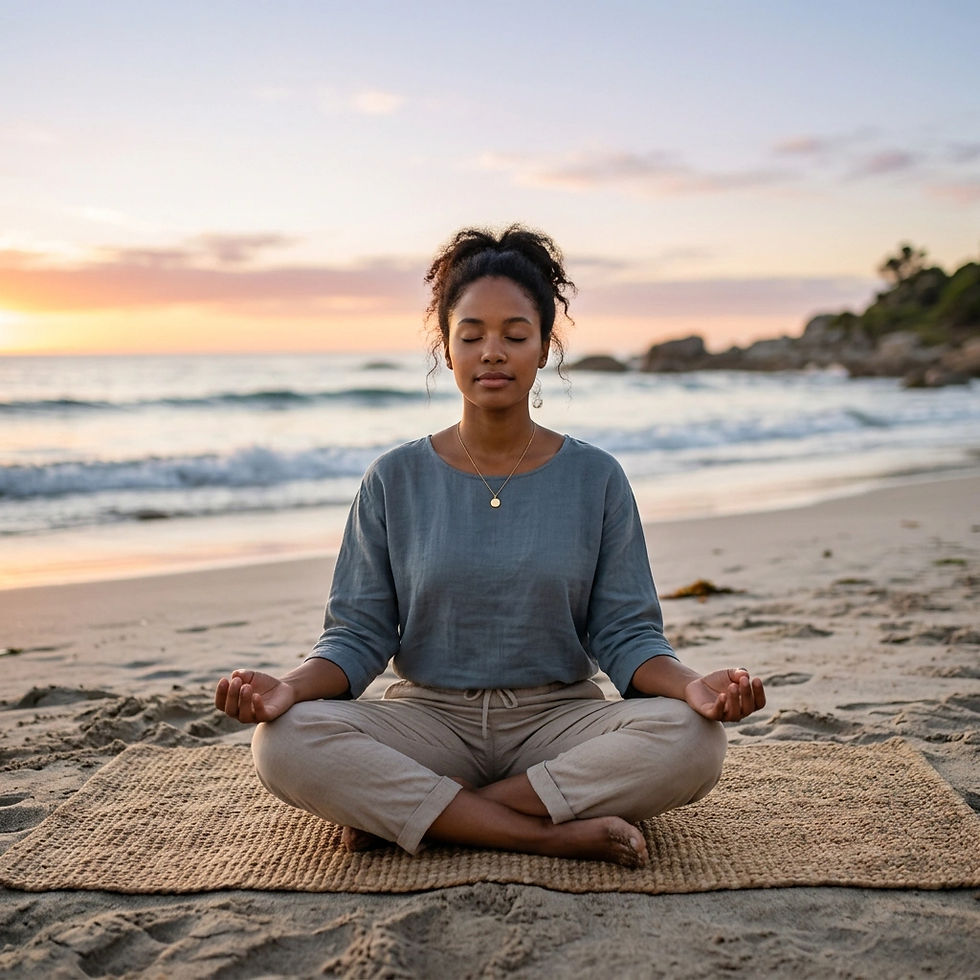
Manage stress: Techniques like meditation or deep breathing support restful sleep.
Take breaks during the day: Short pauses can reduce fatigue and improve focus.
A personal story illustrates this well: someone who struggled with fatigue found that improving sleep hygiene and taking short walks during work breaks significantly boosted their energy levels.

Managing Stress for Better Physical Health
Stress impacts the body physically by raising blood pressure, weakening the immune system, and causing muscle tension. Managing stress is vital for maintaining physical well-being.
Practice mindfulness: Simple breathing exercises can calm the nervous system.
Engage in enjoyable activities: Hobbies and social connections reduce stress hormones.
Set realistic goals: Avoid overwhelming yourself with too many tasks.
Seek support when needed: Talking to friends, family, or professionals helps process stress.
For example, incorporating a 10-minute meditation session daily can lower cortisol levels and improve overall health.
Creating Sustainable Habits for Long-Term Success
Optimizing physical health is not about quick fixes but building habits that last.
Set achievable goals: Start small, like walking 10 minutes daily, then increase gradually.
Track progress: Use journals or apps to stay motivated.
Celebrate milestones: Reward yourself for consistency.
Adapt as needed: Life changes, so adjust your routines to fit new circumstances.
One wellness seeker shared how starting with simple evening stretches led to a full exercise routine over months, improving both physical and mental well-being.

Final Thoughts on Achieving Optimal Health
Optimizing your physical well-being requires a balanced approach that includes good nutrition, regular exercise, adequate rest, and stress management. This guide provides a clear path to build habits that support your body’s needs and improve your quality of life.
Start by assessing your current routines and identifying one area to improve. Whether it’s adding more vegetables to your meals, taking daily walks, or prioritizing sleep, small changes lead to lasting results. Remember, physical health is a journey, not a destination. Keep learning, adjusting, and caring for your body to unlock your full potential.
Take the first step today and commit to one positive change. Your body will thank you.



Comments