
10 Effective ways to Cultivate Gratitude and Its Surprising Benefits
Gratitude is more than just a polite "thank you." It is a powerful practice that can transform your mental and physical well-being. Many wellness seekers find that cultivating gratitude helps them navigate life’s challenges with greater ease and joy. This post explores 10 ways to practice gratitude and reveals the surprising benefits that come with making gratitude a daily habit.

Why Gratitude Matters
Gratitude shifts your focus from what is lacking to what is abundant in your life. This simple change in perspective can reduce stress, improve relationships, and boost happiness. Research shows that people who regularly practice gratitude experience better sleep, stronger immune systems, and increased resilience.
The benefits of gratitude extend beyond emotional well-being. It encourages mindfulness, helping you stay present and appreciate the small moments that often go unnoticed. For wellness seekers, gratitude is a foundational tool that supports a balanced and fulfilling lifestyle.
1. Keep a Gratitude Journal
Writing down what you are thankful for each day is one of the most effective ways to practice gratitude. Set aside a few minutes every morning or evening to list three to five things that brought you joy or comfort. These can be simple, like a warm cup of tea or a kind word from a friend.
This practice trains your brain to notice positive experiences, even on difficult days. Over time, your journal becomes a personal collection of moments that uplift you, reminding you of life’s richness.
2. Express Gratitude to Others
Telling people you appreciate them strengthens your relationships and spreads positivity. Whether it’s a heartfelt thank-you note, a quick text, or a face-to-face conversation, expressing gratitude deepens connections.
Try to be specific about what you appreciate. Instead of a general "thanks," say, "I really appreciate how you listened to me yesterday. It made a big difference." This clarity makes your gratitude more meaningful.
3. Practice Mindful Appreciation
Mindfulness and gratitude go hand in hand. Take time during your day to pause and notice the good around you. This could be the sound of birds, the warmth of sunlight, or the taste of your food.
When you engage your senses fully, you create space for gratitude to grow naturally. Mindful appreciation helps you savor experiences rather than rushing through them.
4. Use Visual Reminders
Place objects or notes in your environment that remind you to be grateful. This could be a photo of a loved one, a motivational quote, or a small token from a memorable trip.
Visual cues prompt you to pause and reflect on what you value. They serve as anchors to bring your attention back to gratitude throughout the day.
5. Create a Gratitude Ritual
Incorporate gratitude into your daily routine with a specific ritual. This could be a morning meditation focused on thankfulness, lighting a candle before meals while naming what you’re grateful for, or sharing gratitude at the dinner table.
Rituals make gratitude a habit by linking it to regular activities. This consistency helps gratitude become a natural part of your life.

6. Volunteer or Give Back
Helping others is a powerful way to cultivate gratitude. Volunteering connects you to your community and reminds you of the resources and support you have.
Acts of kindness create a positive feedback loop: giving makes you feel grateful, and feeling grateful encourages more giving. This cycle enhances your sense of purpose and well-being.
7. Reflect on Challenges Overcome
Gratitude is not only about good times. Reflecting on past difficulties you have overcome can deepen your appreciation for your strength and growth.
Write or think about a tough experience and identify what you learned or how it shaped you positively. This practice builds resilience and helps you see challenges as opportunities.
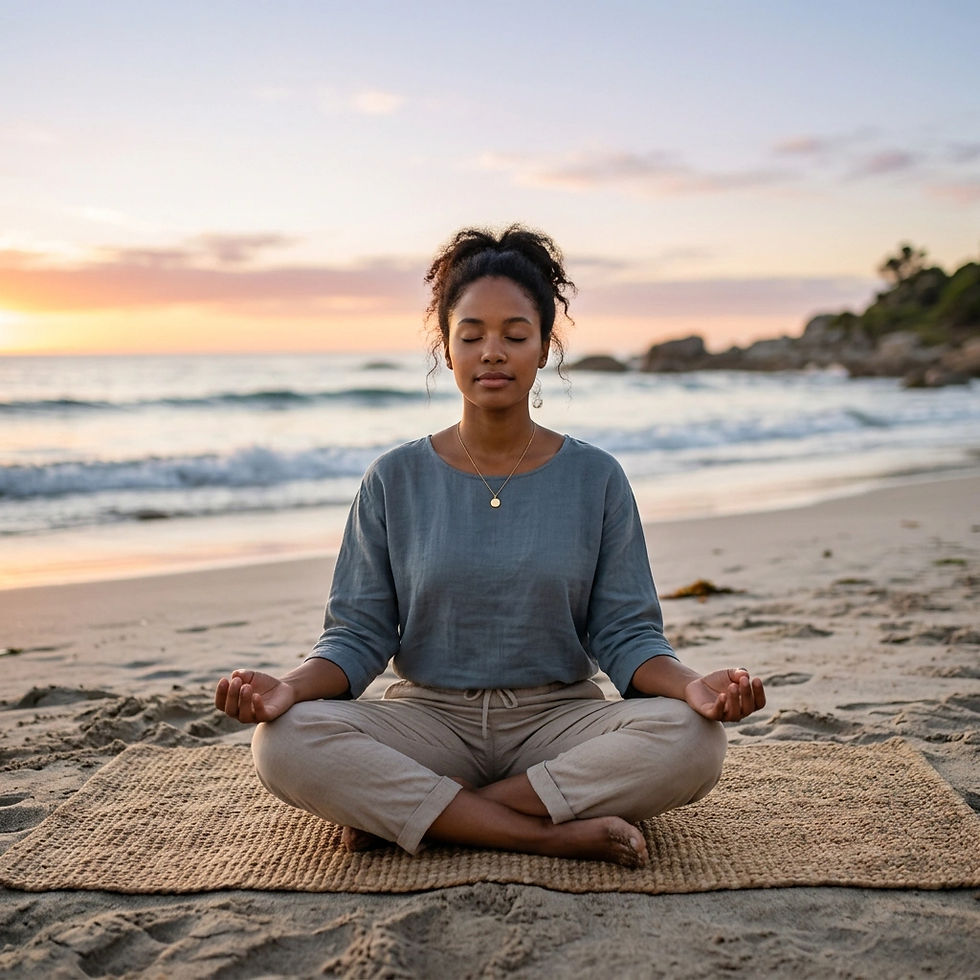
8. Practice Gratitude Meditation
Meditation focused on gratitude can calm your mind and open your heart. Find a quiet space, close your eyes, and bring to mind things or people you appreciate.
Repeat phrases like "I am grateful for..." or simply hold the feeling of thankfulness. This meditation can reduce anxiety and increase feelings of contentment.
9. Share Gratitude in Group Settings
Sharing what you are grateful for in groups, such as family gatherings or wellness circles, creates a collective sense of appreciation.
Hearing others’ gratitude can inspire you and strengthen bonds. This shared practice fosters a supportive environment where gratitude flourishes.
10. Notice the Small Things
Gratitude does not require grand gestures. Often, the smallest moments hold the greatest meaning.
Make it a habit to notice everyday blessings: a smile from a stranger, a cool breeze, or a moment of laughter. Recognizing these small gifts enriches your daily experience.



Comments